Description
Introduction
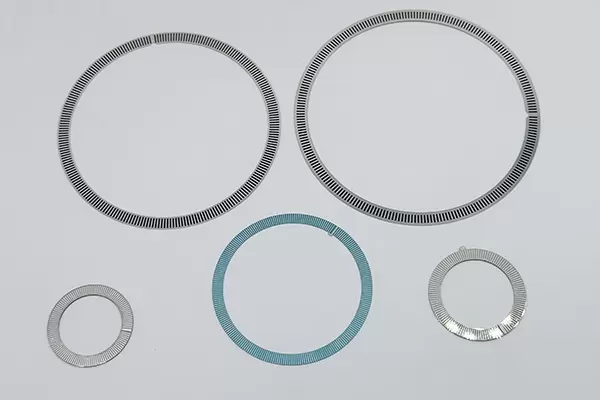
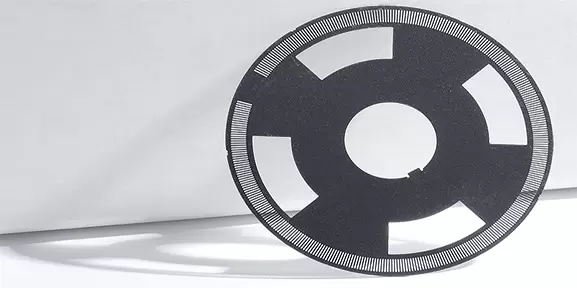
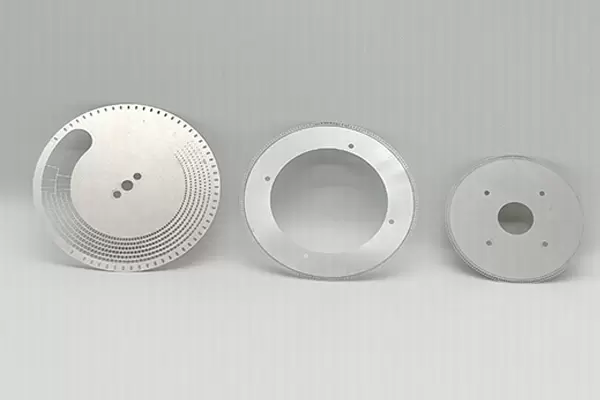
Encoder apertures are typically fabricated from ring-shaped metal sheets. Through precision stainless steel etching, light-transmitting slots, light-blocking code tracks, continuous apertures, and Gray code patterns are created, which work in conjunction with photoelectric sensing components to enable signal recognition. They are generally classified into two main categories: incremental encoders and absolute encoders. Incremental encoders are suitable for conventional rotational speed detection and continuous motion feedback, while absolute encoders can retain position data even when power is disconnected and are commonly used in high-end, precision positioning applications.
Dot Dot
Metal-etched apertures are directly etched with open and closed lines. Etched metal apertures and etched stainless steel apertures are burr-free, shatter-resistant, corrosion-resistant, easily deformable, highly precise, and capable of withstanding extreme hot and cold environments.